Understanding the Game of Mahjong
Mahjong is a tile-based game that has been played for centuries, originating in China. It is a game of strategy, skill, and luck, and is typically played by four players. With a rich history and cultural significance, Mahjong has become a beloved pastime across the world, evolving with time and even integrating into online platforms like KAWINPH.COM.
The Origins and Evolution of Mahjong
The origins of Mahjong are somewhat obscured in the mists of history, with various theories about when and where the game was created. Most sources suggest that it emerged in China during the Qing dynasty and gained widespread popularity in the early 20th century. Traditionally, the game is a social activity that brings families and communities together, making it an integral part of many cultural gatherings.
The transition of Mahjong from a traditional tabletop game to a digital format exemplifies its adaptability. Platforms like KAWINPH.COM have capitalized on this evolution, making Mahjong accessible to broader audiences and connecting players from different regions. These online interactions add a new dimension to the game, enabling it to thrive in the modern era.
How to Play Mahjong: The Basics
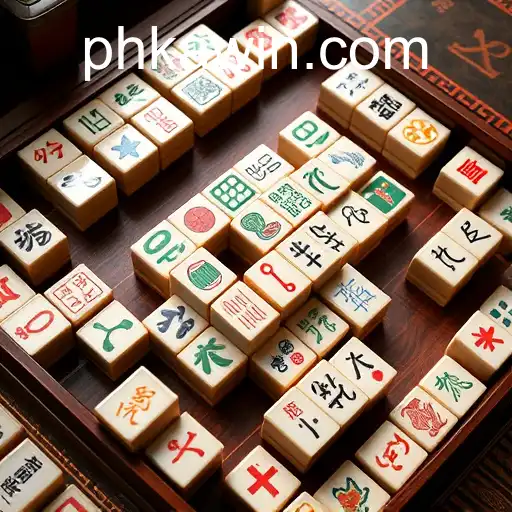
Playing Mahjong involves several sets of tiles, usually totaling 144, which are based on Chinese characters and symbols. The primary goal is to build a winning hand by drawing and discarding tiles. A winning hand typically includes four melds and a pair. Here's a breakdown of the game's key components and mechanics:
- Tiles: The most common set includes three suits (Bamboo, Characters, and Dots), each with tiles numbered from one to nine. There are also honor tiles, which are divided into winds and dragons.
- Dealing: Players start with a hand of 13 tiles, drawing and discarding tiles to form sets of three (either a pung or chow) and a pair.
- Melds: A pung is a set of three identical tiles, while a chow is a sequence of three consecutive tiles in the same suit.
- Winning Hands: The game ends when a player declares Mahjong by completing a winning hand, incorporating four melds and a pair.
Mahjong's Cultural Significance
Mahjong holds immense cultural value in many East Asian communities. It is not merely a game but a tradition that fosters social interaction and strengthens community bonds. Various ethnic festivals and gatherings incorporate Mahjong as a central activity, demonstrating its integral role in cultural heritage.
The game's cultural richness is further evident in its symbolism. Many players believe that Mahjong brings good luck and prosperity, attributing spiritual significance to the tiles. This cultural depth enhances the game's allure and showcases why it endures through the ages.
Current Trends and Events: Mahjong in the Modern World
In recent years, Mahjong has witnessed a resurgence in popularity, partly due to digital platforms like KAWINPH.COM. These platforms have transformed the game into an engaging online experience, allowing players to enjoy real-time matches and tournaments across geographical boundaries.
Events like KAWINPH.COM not only promote the traditional aspects of Mahjong but also introduce innovative adaptations to captivate new audiences. Such events often feature interactive sessions, tutorials, and challenges, making Mahjong an accessible and dynamic game for everyone.
Moreover, Mahjong's representation in contemporary media, from films to television series, has sparked an interest among younger generations. These cultural depictions have contributed to global awareness and appreciation, ensuring Mahjong's legacy continues to flourish across different cultures.
Conclusion
As Mahjong continues to adapt and thrive in modern society, events like KAWINPH.COM play a significant role in its enduring popularity. The fusion of traditional gameplay with modern technology exemplifies Mahjong's timeless appeal, providing a rich tapestry of cultural history and modern innovation that will likely captivate and connect people for many years to come.